Reboots and remakes have become a staple of modern entertainment, from movies and television shows to video games and music adaptations. While some viewers embrace familiar stories, others question why originality seems scarce. Understanding the reasons behind this trend provides insight into audience psychology, industry economics, and cultural nostalgia.
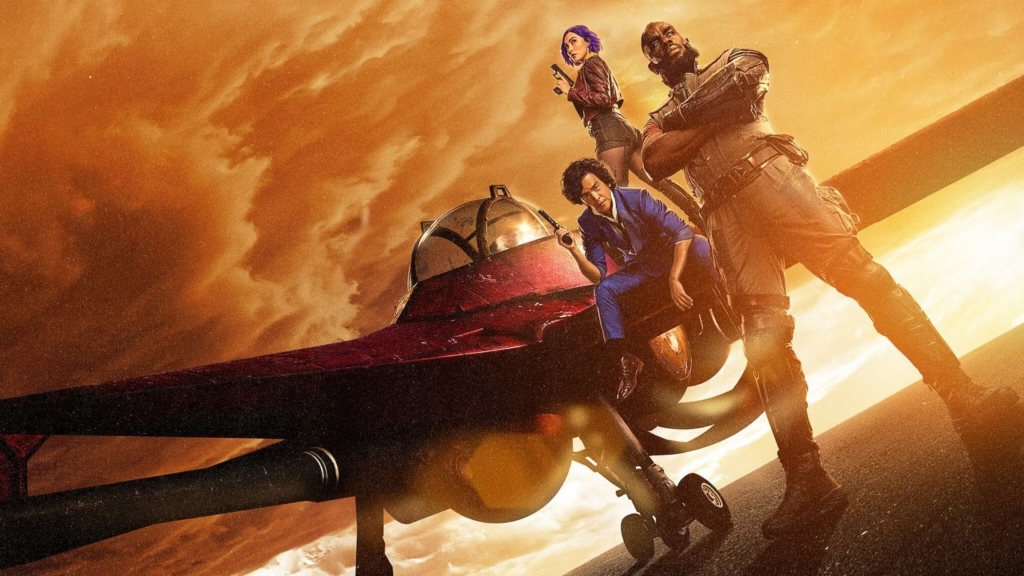
The Appeal of Nostalgia
- Emotional connection: Audiences often have fond memories tied to original content, making reboots emotionally engaging.
- Built-in audience: Familiar franchises attract established fan bases, reducing the risk of low viewership or ticket sales.
- Cultural resonance: Iconic characters and stories often remain relevant, allowing creators to introduce them to new generations.
Nostalgia creates a safe space for both viewers and creators, bridging the gap between past and present entertainment.
Economic Incentives
- Lower financial risk: Studios and producers are more likely to invest in known properties with proven popularity.
- Merchandising opportunities: Reboots can boost toy, apparel, and digital media sales linked to recognizable franchises.
- Marketing advantages: Established names reduce the need for extensive promotional campaigns, attracting attention organically.
Financial incentives play a major role in the prevalence of reboots and remakes, making them appealing from a business perspective.
Expanding and Updating Stories
- Modernization: Reboots allow updates in technology, special effects, and social themes to resonate with contemporary audiences.
- Expanded universes: Successful franchises often expand storylines to include spin-offs, prequels, or sequels.
- Creative reinterpretation: Directors and writers can offer fresh perspectives while maintaining core elements of beloved originals.
By balancing originality with familiarity, reboots often attract both longtime fans and new viewers.
You Can Also Read: streaming-algorithms-viewers
Audience Behavior and Demand
- Comfort in familiarity: Viewers are drawn to stories and characters they already know, reducing the risk of dissatisfaction.
- Social media influence: Online discussions, memes, and fan communities increase interest in reviving classic content.
- Streaming platforms: Digital services provide easy access to original content, creating opportunities for reboots to reach wide audiences.
Consumer demand heavily influences entertainment decisions, reinforcing the cycle of remakes and reboots.
Challenges and Criticisms
- Creative stagnation: Excessive reliance on familiar content may stifle new ideas and innovation.
- Fan expectations: Reboots often face scrutiny, with audiences comparing them to the original versions.
- Saturation risk: Multiple adaptations of the same property can lead to audience fatigue and reduced interest.
While challenges exist, careful execution and respect for the source material can lead to commercial and critical success.
Conclusion
Reboots and remakes are a prominent feature of modern entertainment, driven by nostalgia, economic incentives, and audience behavior. They provide opportunities to modernize stories, expand franchises, and appeal to multiple generations while minimizing financial risks.
For insights into trends shaping the entertainment industry, including digital media consumption and audience preferences, platforms like burkina faso turf offer valuable analysis and resources to understand why reboots and remakes remain so common.